
logo

Top Priorities

Protect our rivers

Water is Iowa's most precious natural resource. Our future depends on finding ways to conserve and protect the little water we do have. Unfortunately, the health of Iowa's waterways is at risk.

Over the last 10 years, Clean Water Act protections have been weakened, allowing polluters to dump without limits into our waterways -- including the very streams that provide our drinking water. Congress is taking up a bill right now that will restore Clean Water Act protections to all U.S. waterways and protect Iowa's drinking water now and for generations to come.

Learn more>>          Take action>>


Latest News

Plug-in Electric Cars Lower Global Warming Emissions, Oil Consumption and Unhealthy Air Pollution 1/21/2010

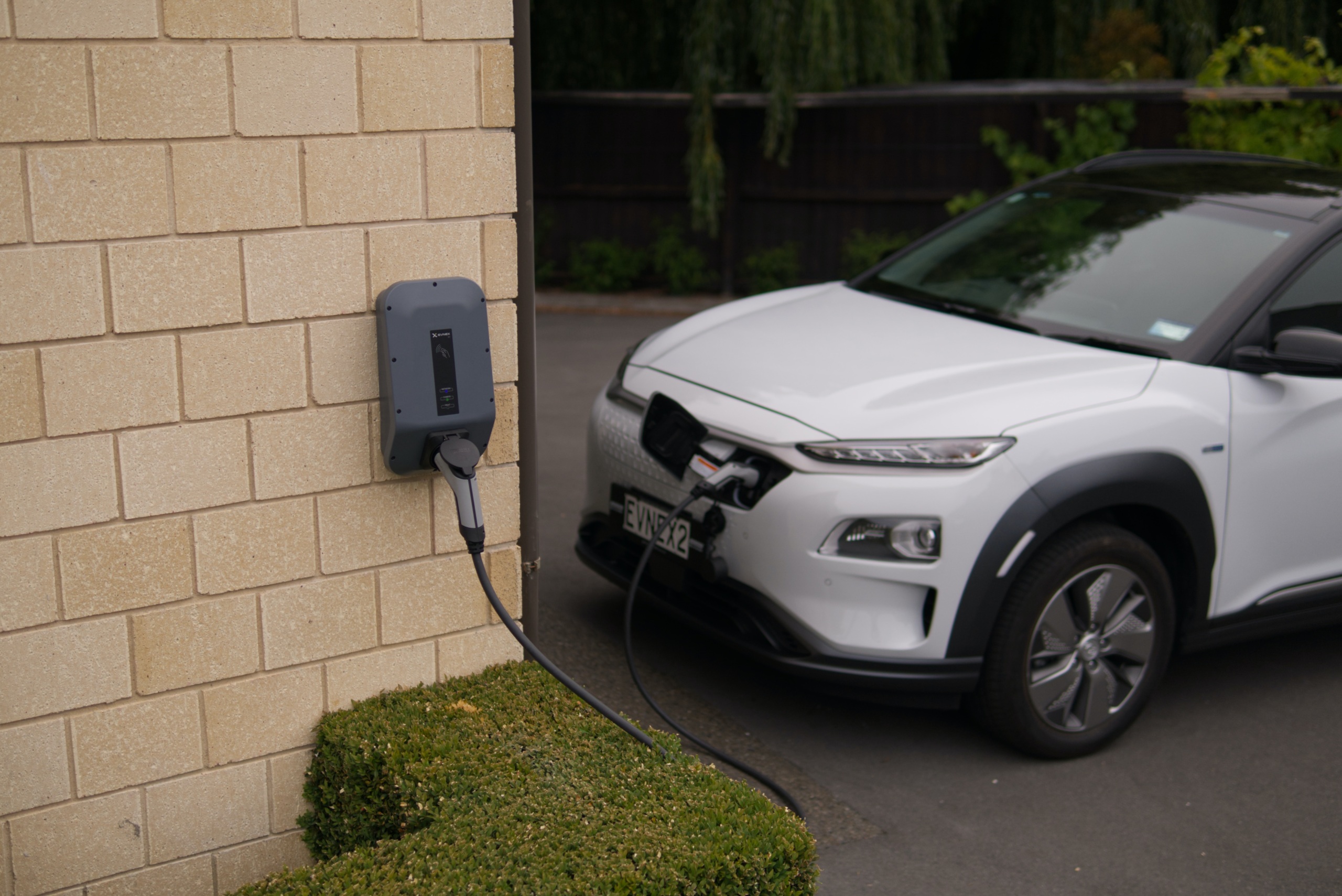
Increasing America’s use of plug-in electric and plug-in hybrid cars would dramatically reduce emissions that cause global warming and air pollution and would curb dependence on oil. There are already several projects underway in Iowa to build an infrastructure for plug-ins.

Our Latest Reports

Plug-in Cars: Powering America Toward a Cleaner Future 1/21/2010

America’s current fleet of gasoline-powered cars and trucks leaves us dependent on oil, contributes to air pollution problems that threaten our health, and produces large amounts of global warming pollution. “Plug-in” cars are emerging as an effective way to lower global warming emissions, oil use, and smog. A plug-in car is one that can be recharged from the electric grid. Plug-in cars come in two types: plug-in hybrids that are paired with small gasoline engines, and fully electric vehicles that consume no gasoline at all.

Environment Iowa Congressional Scorecard 2009 12/30/2009

Environment Iowa scored seven votes in the Senate ranging from an economic recovery bill with investments in public transit and energy efficiency to legislation saving the nation's coasts from offshore drilling. In the House of Representatives, Environment Iowa scored 15 votes including funding to make schools more energy efficient and legislation protecting the Great Lakes. Senator Harkin and Representative Boswell were the only members of Congress from Iowa to receive a perfect score. With the help of these congressmen the 111th Congress has made significant progress in several key areas. In June, the House passed a landmark bill to promote clean energy and limit global warming pollution.

In the News

Guest column: Clean energy would be a boon to Iowa 1/14/2010

Environment Iowa's analysis of investments in nuclear power concluded nuclear power is a wasteful, ineffective approach to the problem. It is a failing strategy that will actually set us back in the struggle to deal with a changing climate. Instead of building new nuclear reactors and instead of building more coal-fired power plants, we need to transition to clean energy. Iowa stands to benefit immensely in doing so.

Environmental group grades Iowa congressional delegation 12/30/2009

An environmental group has released a report outlining how Iowa’s Congressional delegation voted over the last year-and-a-half on bills designed to cut global warming and air and water pollution. Environment Iowa reviewed 15 votes in the House and seven votes in the Senate.

Guest column: Nuclear power not solution to global warming 12/13/2009

The Iowa Climate Change Advisory Council recently released its findings outlining the disastrous effects that rising global warming pollution will have on Iowa’s climate. Perhaps most alarming is the prediction that peak water flow in Iowa’s waterways will increase 50 percent by 2050, increasing flow and threatening Iowa’s cities and fields with more frequent and intense flooding. Clearly, swift action needs to be taken, both to anticipate the reality of our changing climate patterns and to prevent the worst effects of global warming. While smart, sensible solutions like energy efficiency, wind and solar are ready-to-go, proven ways to reduce our pollution, the nuclear energy industry has been quietly pushing for huge federal subsidies as part of a national clean energy and climate strategy and billing itself as the critical “solution to global warming.” The reality, though, is that nuclear power could barely make a dent in our global warming pollution in the next 20 years.